
Between logistics and artistic sensibility
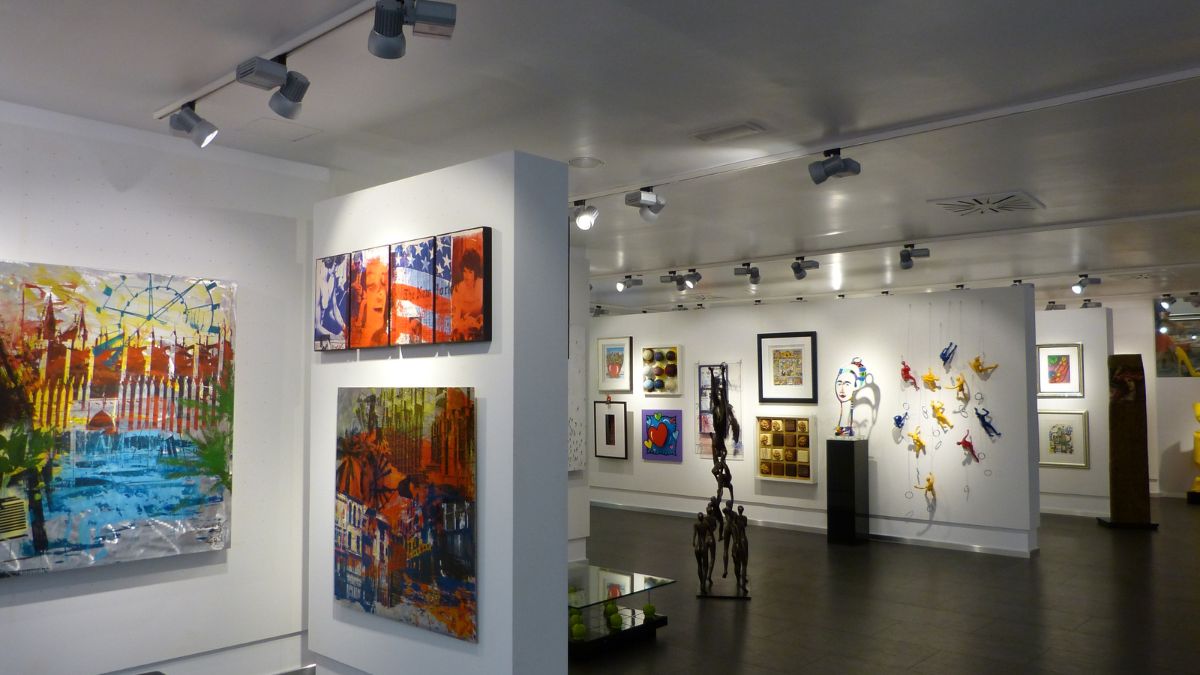
The freight transport is very diverse and it is important to have a specialized service in some cases, such as art galleries. The world of art is as exciting as it is delicate. Behind each piece exhibited in a gallery there is a meticulous process that ensures that the work arrives in perfect condition at its destination. The transport of works of art is not a simple matter of physical transfer; it is an operation that combines technique, knowledge, planning and a special sensitivity to the value —material and immaterial— of the objects being handled.
Art galleries work with works of a very diverse nature: paintings, sculptures, installations, multimedia pieces, antique or contemporary objects... Many of these works are fragile, irreplaceable and, often, of high economic value. Any error in transportation can mean an irreparable loss, not only for the collector or the institution, but also for the cultural heritage. For this reason, the optimal transportation of delicate objects must follow a series of well-defined and rigorous steps. It is not just about moving, but also about preserving, protecting and honoring each work.
Step by step
The essential first step in this type of freight transport is the detailed analysis of each piece to be transported. What is its material? Does it have moving parts? Is it in good structural condition? Does it require special temperature or humidity conditions? This information allows us to define the type of packaging, the most suitable vehicle and the best way to handle it.
In many cases, gallery managers work directly with the transport team to share this information and ensure that all the particularities of the work are taken into account. It is a joint effort between art experts and logistics specialists, such as those on our team.
Professional packaging: the first line of defense
One of the most important elements in transportation of art is packaging. Good packaging must offer physical protection (against shocks, vibrations or sudden movements) and also environmental protection (against changes in temperature, humidity or direct sunlight).
For paintings or works on paper, specific materials are used that prevent friction and allow transpiration, avoiding condensation that could damage the surface. In the case of sculptures, custom-made boxes with internal foams that immobilize the piece without pressing on it are often used. In addition, when it comes to particularly valuable pieces, it is common to use climate-controlled boxes or reinforced packaging with sensors that detect vibrations, unauthorized openings or unfavorable environmental conditions.
Adapted vehicles: safe mobile spaces
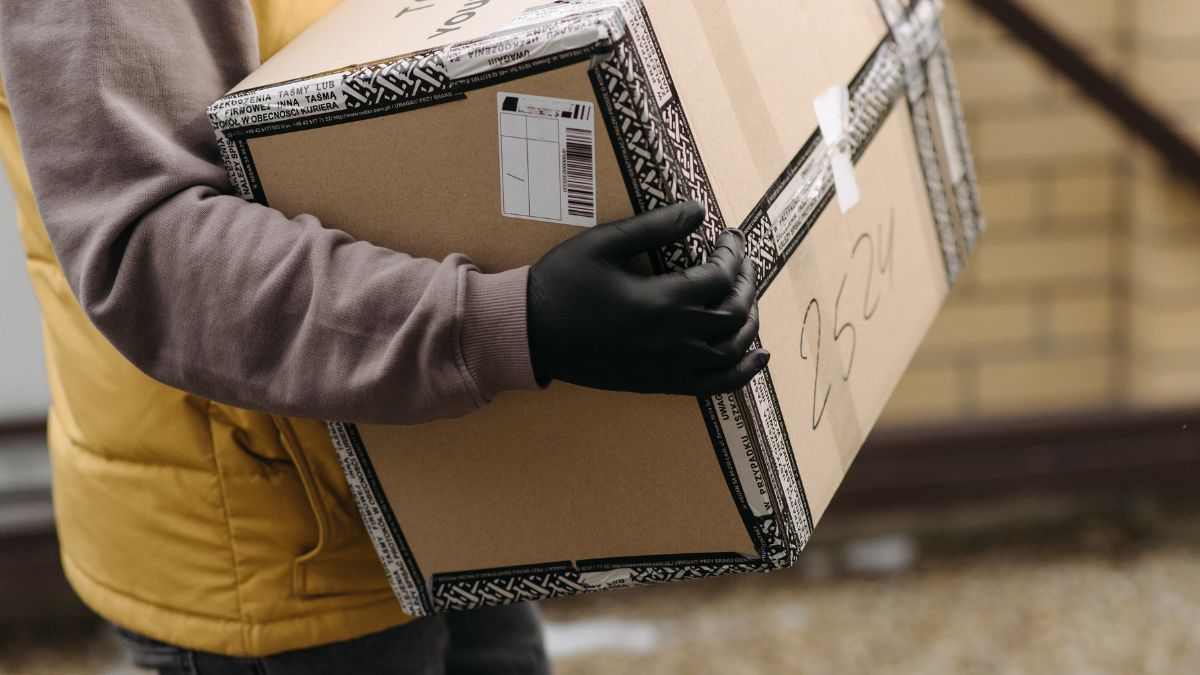
Physical transport must be carried out in vehicles specially equipped for this type of merchandise. This involves vans or trucks with soft suspension systems, temperature and humidity control, and internal anchors to ensure that the pieces do not move. It is also common to use GPS tracking systems to monitor the location and status of the vehicle at all times. This gives peace of mind to both the gallery and the end customer, especially when it comes to international or long-distance transfers.
Manipulation
The professionals of freight transport and those responsible for loading, unloading and handling the works must be specifically trained in the treatment of works of art. It is not just about physical strength, but also knowing how to pick up a sculpture without applying undue pressure, how to move a painting without touching its surface or how to place it safely inside the vehicle. Handling is often the most critical moment in the process. For this reason, the experience and calmness of the operators are essential. An art gallery should only trust transporters who understand the value of the piece beyond its weight or volume.
Coordination with destiny: care until the end
Once at their destination, the works must be unloaded and placed according to the instructions of the receiving gallery or museum. This may include temporary placement in a climate-controlled room, the assembly of complex installations or assistance during the installation of an exhibition. This last step is just as important as the first. Respect for time, space and environmental conditions is essential to ensure that the entire process is carried out optimally.
The importance of having a specialized company
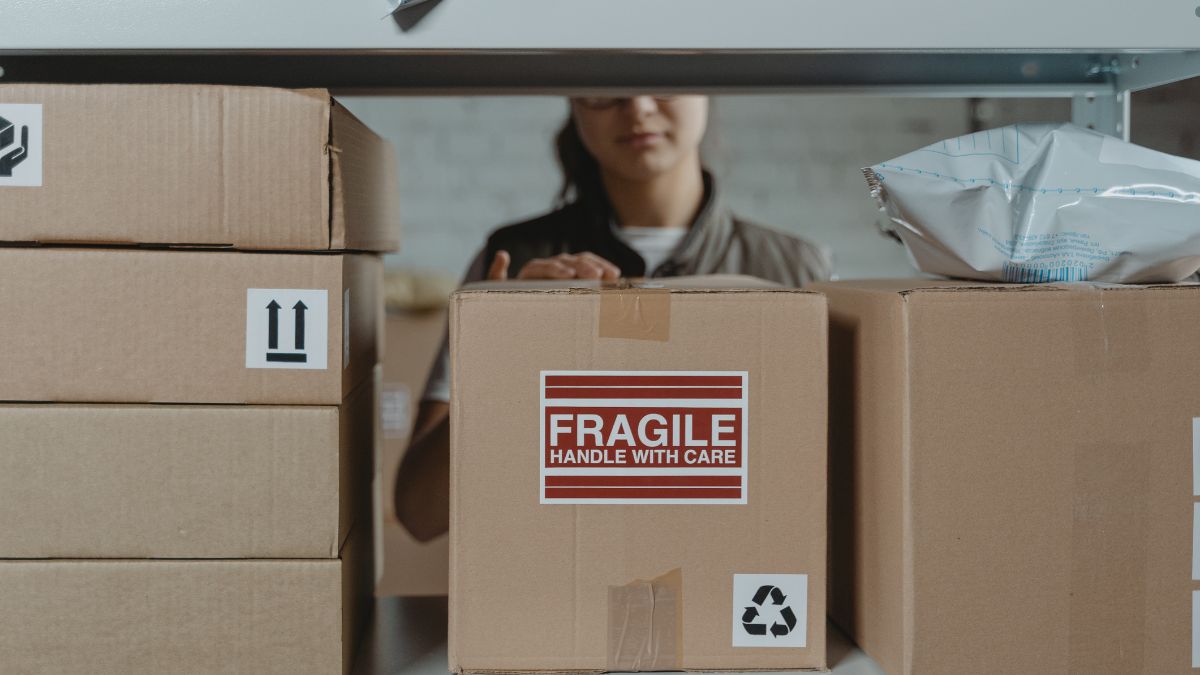
Given so many requirements and levels of demand, it is clear that not just any transport company can undertake this type of service. A specialized team is needed, with experience in the artistic sector and a deep respect for heritage.
In this sense, at Logistivan we are specialists in freight transport, especially furniture and decoration, and we offer personalized attention and exceptional care in each shipment. With a philosophy based on professionalism, proximity and security, we guarantee that each piece travels as it deserves: with respect, precision and sensitivity.
