
Improves organization, protects objects and prevents losses and misunderstandings
When it comes to removals, one of the most useful and often underestimated tools is the detailed inventory. Making an inventory before, during and after the move not only facilitates organization, but also protects objects and prevents losses or misunderstandings. Whether it is a home move or a business move, having a clear and complete record is essential to ensure that everything arrives at its destination in perfect condition.
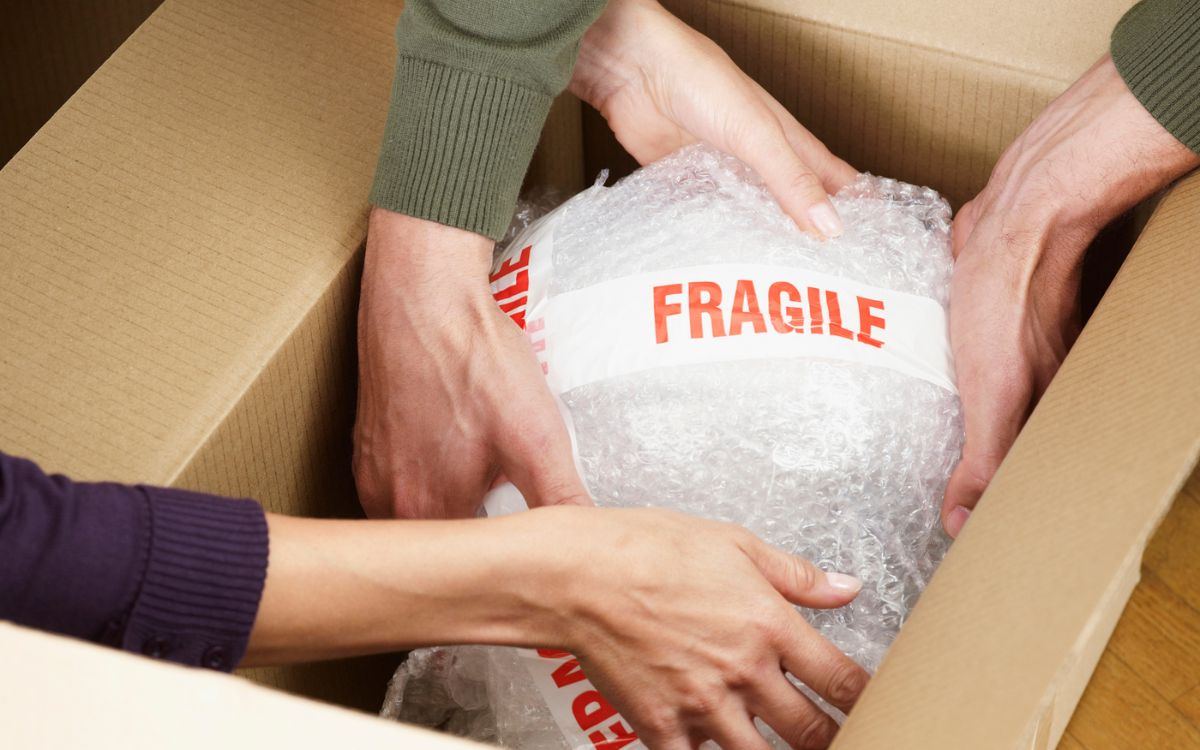
How to separate objects?
An inventory acts as a map of everything that will be transported. It allows you to know exactly which objects need to be moved, how fragile they are and how they should be packed. In furniture and delicate decoration removals, for example, it helps to prioritize the handling of valuable pieces, such as works of art, antiques or special household appliances. It is also an essential tool for insurance, as it provides detailed documentation that may be necessary in the event of any incident during transport.
Additionally, having an inventory makes it easier to communicate with the company. removals. Teams can better plan the time, vehicles and personnel needed to ensure an efficient and safe transfer. This is especially relevant during holiday periods or peak seasons, when demand for removals increases significantly.

How to start inventory?
The first step is to divide the objects into categories: furniture, appliances, fragile objects, books, clothes, tools, documents, etc. This classification allows for the assignment of appropriate packaging materials and the establishment of priority orders. For example, an art gallery can separate the most delicate works from the general decor, ensuring that each piece receives the appropriate treatment.
Next, it is advisable to write down detailed information for each object: description, condition, approximate value and location in the home or office. Photographing the objects is also a good practice; the images serve as a reference to check the condition before and after the move.
Tools and formats for preparing the inventory
There are several ways to prepare an inventory, from the classic paper form to digital applications. Professional moving companies often offer templates that clients can easily fill out. These templates allow you to include information such as:
-
Object type and category
-
Quantity and dimensions
-
Fragility and special instructions
-
Origin and destination location
-
Attached photos
The use of digital tools makes it easy to modify and update inventory in real time, which is very useful when there are last-minute changes or additional objects.

Packaging and labeling related to inventory
Inventory should be closely linked to the packaging process. Each box or piece should have a label with a number or code that matches the corresponding inventory entry. This allows you to easily locate any object, know how to handle it, and verify that everything arrives at its destination correctly.
For removals For professionals, especially in the case of furniture and delicate decoration, as we do at Logistivan, it is recommended to indicate the fragility of each object on the label and, if necessary, include additional instructions such as “Do not stack” or “Fragile: glass”. This combination of registration and labeling minimizes the risks of damage.
Inventory review and update
An inventory is only useful if it is complete and up-to-date. During the move, it is important to check each object before loading it and after unloading it. At Logistivan, as professionals in the transfer of fragile and valuable objects, we usually carry out a double check: one before transport and another upon arrival. This allows us to detect any incident immediately and act quickly.
Additionally, if there are new items or last-minute changes, the inventory must be updated to keep it reliable. Correct documentation provides security for both the client and the company, and facilitates any insurance claims if necessary.
Benefits of having a well-made inventory
Preparing a detailed inventory provides many advantages in any move:
-
Reduces the risk of loss or damage
-
Facilitates logistics and organization of the transfer
-
Improve communication with the moving company
-
Allows better management of delicate and valuable objects
-
Serves as documentation for insurance
-
Provides peace of mind to the customer
In short, a well-done inventory is a key element for removals efficient and safe, especially when it comes to complex transfers or high-value pieces.
